
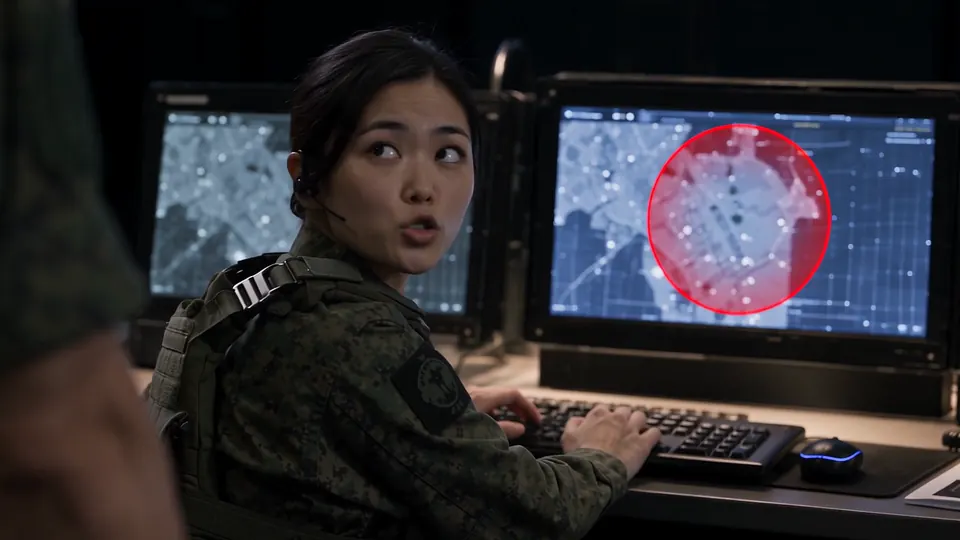
In Agent Social, you turn a script into filmed scenes by pasting it into the studio chat and asking it to keep your dialogue. It splits the script into chapters, writes a screenplay for each clip, and shows you all of it before anything is filmed.
How do you turn a script into a video with AI?
Paste your script into the Agent Social chat and say what you want kept: “Keep my dialogue exactly as I wrote it.” Your lines stay where you put them, and the studio fills in only what is missing, such as where people stand and what we hear. It plans the script as chapters, each a scene, and writes a screenplay for every clip. You read and change all of it in plain words, check the cast and places, then film clip by clip in story order, with voices and scene sound in every clip. Finally the studio joins the clips into one film you can download. A script can start this way whether it is a single scene or a whole story, and you can film a scene at a time.
| You bring | You do | The studio does |
|---|---|---|
| One sentence | Type the idea | Plans chapters, writes every clip |
| Notes or a synopsis | Paste them in | Fills in scenes, people and lines |
| A finished script | Paste it, ask to keep your lines | Keeps your dialogue, adds what is missing |
Will the AI keep my dialogue exactly as I wrote it?
Yes, if you ask it to. In Agent Social, you say “Keep my dialogue exactly as I wrote it” when you paste the script, and your lines stay where you put them while the studio fills in only what is missing. Check it before filming: read each clip’s screenplay and find your lines in it. If a line has moved or changed, say so in plain words and the studio rewrites that clip and shows it to you again. Read every line out loud as well. Dialogue that reads well on the page can feel long when spoken, and a long exchange can be spread over two clips. Clips come back with the lines spoken, in English by default or in everyday Hindi mixed with English.
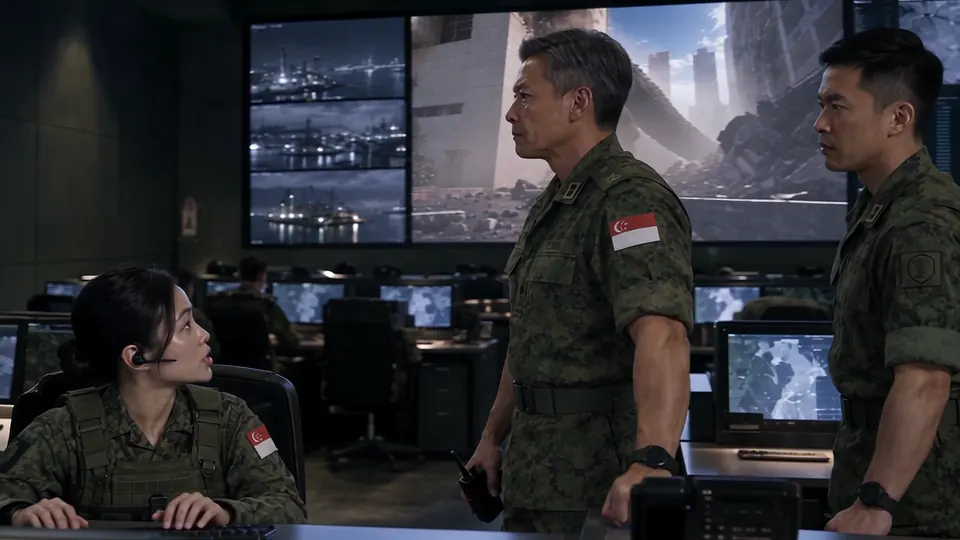
What should I check before filming a script?
Check four things before you film, because each is cheap to fix in words and costly to fix in footage. First, the chapter plan: is the order right, and is any scene missing or extra? Second, each clip’s screenplay: is this the moment you want, and does everyone do and say what you expect? Third, the cast and places: is every face right, and is every room the room you pictured? Fourth, how each scene ends, since the next clip carries on from it. Ask for changes at the plan stage, not after, and read the plan the way you would read a draft of your own script. A change before filming is one sentence. The same change after filming is a retake, and retakes add to the cost. OVERCLOCK Episode 3’s screenplays went through about 350 rounds of changes before anything was filmed.
Is your script ready to film?
- Have you read the chapter plan and agreed with the order of scenes?
- Did you find your own lines in each clip’s screenplay?
- Does every character and place picture look right?
- Does any one clip try to hold too much?
Answer each question for your verdict.
How do I film the scenes, and in what order?
Scenes are filmed strictly in story order: chapter 1, clip 1 first, and the studio will not run ahead. Because the earlier clip already exists, the next one can open in the same moment, with the same light, the same clothes and the same person in the same spot. A clip runs from 4 to 30 seconds on Seedance 2.5, the default video model, and a chapter is made of as many clips as the scene needs. You watch each clip before the next is filmed. See how to write a screenplay for AI video for what makes a scene film well.
How do I redo one clip without redoing the whole film?
Ask for that one clip again, and everything else stays as it was. In Agent Social, name the fix as a direction rather than a complaint: who should look at whom, where someone goes when they leave the frame, what the crowd is doing. “She should look at him before she answers” is a fix. Some clips land at once and some take several tries. In OVERCLOCK Episode 5, the supermarket chapter took six takes, the most of any chapter in Episodes 3 to 5, while the jaws coming out of the smoke were a single 30-second take used whole on the first try. Drafting, the default, keeps each retake at its cheapest, and the model can stay the same.
What does it cost to film a script?
Agent Social is pay as you go and prices a film per finished minute: from $25, up to 1080p. Draft the film, the default, to judge every clip, then upscale the finished film to 1080p at the end if you want it. A short scene is a small amount of credit, and a long script costs in proportion to its finished minutes. There is no subscription, no free trial and no free credits, and unused credits never expire. Your script’s running time decides the price, and retakes add to the total, so the cheapest film is the one you read carefully before you film it. See what an episode costs for a full breakdown.